South Kensington sofa cleaning experts serving Brompton: a practical guide to cleaner, fresher upholstery
If your sofa is starting to look tired, smell a bit stale, or show the usual marks of everyday life, you are not alone. In Brompton, where homes and flats often see a steady mix of guests, pets, muddy shoes, coffee cups and the occasional red wine wobble, upholstery can go from smart to shabby faster than you'd expect. That is exactly where South Kensington sofa cleaning experts serving Brompton come in. They bring the right methods, fabric knowledge, and local experience to clean sofas properly without turning a small problem into an expensive one.
This guide explains what professional sofa cleaning involves, why it matters, how the process works, and how to decide whether your upholstery needs a light refresh or a more thorough treatment. You will also find practical tips, a comparison table, a checklist, and a few real-world observations that make the decision easier. No fluff. Just useful, local, human advice.
Why South Kensington sofa cleaning experts serving Brompton Matters
A sofa is not just a piece of furniture; it is the bit of the room everyone uses, leans on, naps on, and spills on. In Brompton, where properties often balance character with high standards, a dirty sofa can drag the whole room down. Even when it looks "mostly fine", upholstery can hold dust, allergens, body oils, pet odours, crumbs and invisible grime deep in the fibres.
That matters for a few simple reasons. First, grime builds up gradually, so people often stop noticing it. Second, the wrong cleaning approach can leave water marks, shrink certain fabrics, or set a stain permanently. Third, a sofa usually costs far more to replace than to maintain. To be fair, that alone is enough reason to take upholstery care seriously.
Professional sofa cleaning is also useful if you want a home to feel properly finished. There is a noticeable difference between a room that has just been tidied and one where the fabric has been revived. You can see it, and you can smell it. Fresh upholstery changes the feel of a space in a way that a quick vacuum simply cannot.
If you are already looking at wider household care, it can make sense to combine upholstery work with other services such as carpet cleaning or a broader deep cleaning appointment, especially after a busy season or before guests arrive.
How South Kensington sofa cleaning experts serving Brompton Works
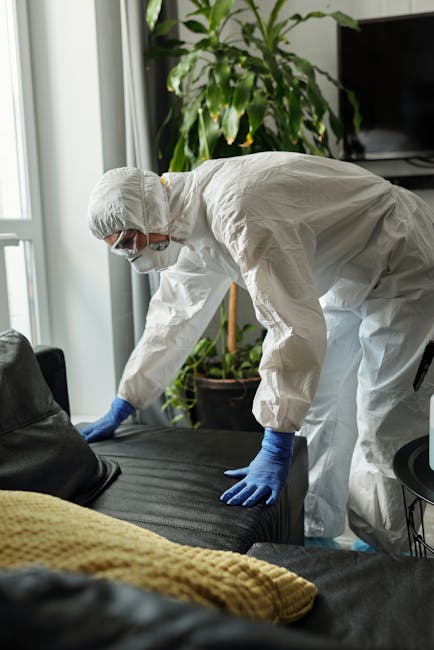
Good sofa cleaning starts well before any machine touches the fabric. A proper technician will usually begin with a fabric check, stain inspection and a discussion of what the sofa has been through. Was it a food spill? Pet hair? A general dulling from daily use? Different problems need different methods. That sounds obvious, but many bad outcomes start with skipping this step.
From there, the cleaner will identify the fibre type and the safest cleaning route. Common upholstery materials include woven synthetics, cotton blends, velvet-style fabrics, linen mixes and leather or faux leather. Some can tolerate wet extraction. Some need very controlled moisture. Some are better treated with dry or low-moisture methods. The point is not to force a one-size-fits-all routine.
In many cases, the process includes:
- dry vacuuming to remove loose dust and grit
- spot testing in a discreet area
- pre-treatment of stains and heavily used sections
- careful application of suitable cleaning solution
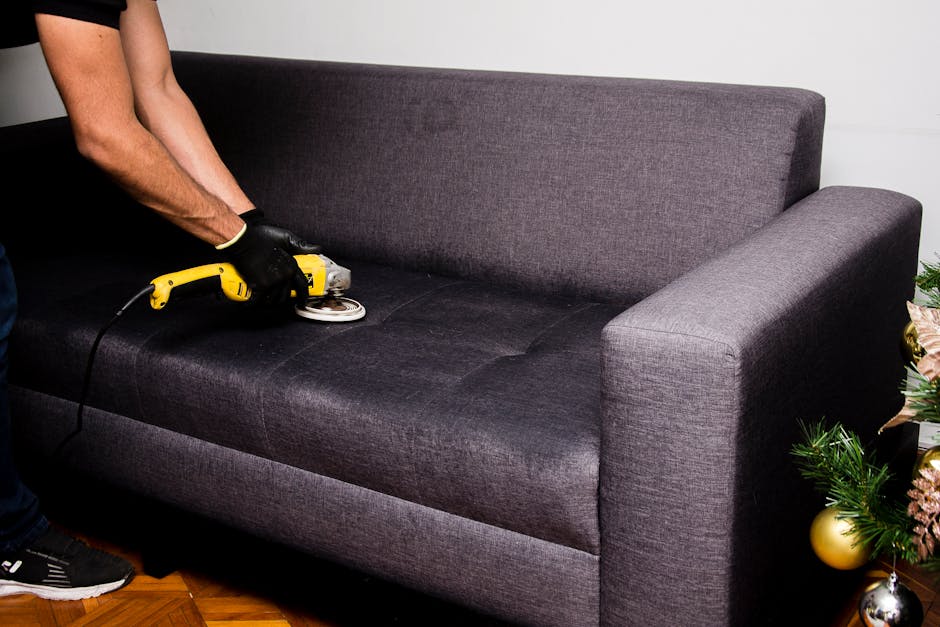
- agitation by hand or with an upholstery tool, where appropriate
- extraction or controlled wiping to lift out dirt
- final checks for residue, tide marks, and drying time
On a practical level, the job is as much about restraint as it is about cleaning power. Over-wetting is a common mistake. So is over-scrubbing. Let's face it: people panic when they see a stain and attack it like they are sanding a deck. That rarely helps.
For homes where the sofa is part of a larger refresh, expert cleaners may also suggest related services like upholstery cleaning for chairs and headboards, or pet stain and odour removal if animals are part of the household picture. Different issue, different treatment.
Key Benefits and Practical Advantages
When sofa cleaning is done properly, the benefits go well beyond appearance. A sofa that looks fresh is nice, yes, but the more useful gains are often less obvious.
- Better hygiene: regular cleaning removes dirt and residue that build up in the fabric and cushions.
- Improved room feel: clean upholstery makes the whole space feel lighter and more cared for.
- Odour reduction: lingering smells from pets, food, smoke or spills can be reduced significantly with the right process.
- Longer furniture life: grit and grime wear fibres down over time, so cleaning helps protect the fabric.
- Better stain management: fresh spills are easier to treat before they set.
- More confidence before guests or viewings: people notice sofas, even if they do not say it out loud.
If you are preparing a rental property, or just trying to stay ahead of the chaos of busy London living, professional cleaning can be a smart way to keep standards up without buying new furniture every few years.
Expert summary: sofa cleaning works best when it is tailored to the fabric, the stain type and the level of wear. A careful, measured approach beats aggressive scrubbing nearly every time.
Who This Is For and When It Makes Sense
This service is for anyone who wants their sofa to look and feel better, but there are a few groups who tend to get the most value from it.
Homeowners and tenants often book sofa cleaning after months of daily use, a spill, or when the living room starts looking dull even after a tidy-up. If you are moving out, it can sit neatly alongside end of tenancy cleaning or a broader move out cleaning plan.
Landlords and letting agents may want upholstery refreshed between occupancies, especially in furnished properties. A sofa can influence first impressions in seconds, and that is not an exaggeration.
Families with children usually need cleaning because life happens. Juice, biscuit crumbs, sticky fingers, the odd mystery stain. It all ends up somewhere.
Pet owners often need help with hair, odour, and repeated spot contamination. Even if you vacuum often, smells can linger in the fibres.
Short-let hosts and Airbnb operators need fast turnaround and consistent presentation. In that context, sofa cleaning is often part of a wider scheduling pattern with Airbnb cleaning.
Office and commercial clients may also need upholstery care for reception seating or breakout areas. If that sounds like you, it may make sense to look at office cleaning or commercial cleaning too.
As a rough rule, if the sofa is visibly dull, smells stale, or has a stain you keep noticing every time you sit down, the timing is probably right. Funny how the eye always finds the one mark you hoped would vanish on its own.
Step-by-Step Guidance
If you want to understand what a good appointment should look like, this step-by-step outline helps.
- Inspect the fabric and construction. The cleaner should identify material type, cushion structure, and any vulnerable trims or dyes.
- Vacuum thoroughly. Dry soil must be removed first or it can turn to sludge when wet cleaning begins.
- Test cleaning products. A small hidden test helps avoid colour loss, texture changes or water marking.
- Treat stains individually. Coffee, grease, pet accidents and ink all behave differently. There is no magic spray that fixes everything, despite the optimistic claims on bottles.
- Clean section by section. This keeps moisture and dwell time under control.
- Extract or wipe down carefully. The goal is to lift away residue, not just move it around.
- Check seams, arms and high-contact zones. These areas usually carry the most visible wear.
- Speed up drying safely. Good airflow is usually the friend here, not heat blasting straight onto fabric.
- Finish with a final review. The cleaner should check for missed spots, residue and any follow-up advice.
One small but useful point: cushions and seat pads often need rotating or cleaning separately. If the cleaner does not mention this, ask. It shows they understand the furniture, not just the machine.
Expert Tips for Better Results
Here are the habits that usually separate a decent result from a really good one.
- Act quickly on spills. Blot gently with a clean cloth. Do not rub. Rubbing spreads the stain and roughs up the fibre.
- Know the fabric code if you have it. Manufacturer guidance matters, especially on delicate textiles.
- Avoid soaking the sofa. More moisture is not automatically better. Actually, it can make things worse.
- Keep pets off the sofa until it is dry. Hair and paw prints love a damp surface.
- Use good ventilation. A slightly open window can help drying in many homes, weather permitting.
- Book before a stain becomes permanent. Fresh marks are usually easier to work on than old, set-in ones.
- Ask for realistic expectations. Some marks fade beautifully; some improve but do not disappear. Honest advice is usually the best advice.
If your upholstery is part of a bigger refresh, some readers also pair sofa cleaning with rug cleaning or curtain cleaning. That is often a sensible move, because dust and odours tend to travel through a room together.
One more thing: if you have ever been tempted to use a mystery household cleaner on a velvet sofa at 11 pm, you're not alone. But perhaps pause first. Save the sofa, save the evening.
Common Mistakes to Avoid
Most sofa damage from DIY cleaning does not happen in dramatic ways. It happens through small, well-meant mistakes.
- Using too much water: this can cause rings, slow drying and, in some fabrics, permanent distortion.
- Scrubbing hard: aggressive friction can fray fibres and push stains deeper.
- Skipping a test patch: a tiny colour change in a hidden spot is better than a big visible one.
- Mixing cleaning products: that is a bad habit. At best it does nothing useful; at worst it creates residue or fumes.
- Waiting too long to clean: old stains often need more intervention and may never fully lift.
- Choosing the cheapest quote without asking questions: low price alone does not tell you whether the cleaner understands upholstery care.
Another overlooked mistake is forgetting the frame, seams, and underside fabric. Dirt does not just live on the visible top surface. It settles everywhere the sofa is handled.
Tools, Resources and Recommendations
You do not need to become a specialist to care for your sofa properly, but it helps to understand the basic toolkit. A thoughtful cleaner usually brings more than a spray bottle and hope.
| Method or tool | Best used for | Why it helps |
|---|---|---|
| Upholstery vacuum attachment | Loose dust, hair and crumbs | Removes dry soil before it gets worked into the fabric |
| Fabric-safe pre-spray | General grime and traffic areas | Starts breaking down embedded dirt before extraction |
| Spot treatment products | Specific stains such as food or drink marks | Targets the stain type instead of treating everything the same way |
| Low-moisture cleaning | Sensitive fabrics or delicate settings | Reduces risk of over-wetting and long drying times |
| Extraction equipment | Deep cleaning of suitable fabrics | Lifts residues back out instead of leaving them behind |
For readers comparing services, it can also help to review practical pages such as pricing and quotes and payment and security. Clear pricing and safe payment handling are not glamorous topics, but they matter. Quite a lot.
If you want broader household support, you may also find domestic cleaning or one off cleaning helpful alongside upholstery care.
Law, Compliance, Standards, or Best Practice
For sofa cleaning, the key issue is not usually heavy regulation in the way that people sometimes expect. The real focus is on safe handling, suitable products, clear communication and responsible work practices. In the UK, professional cleaners should be careful about health and safety, avoid reckless chemical mixing, and respect fabric-care limitations. That is common sense, but common sense is worth stating when chemicals, moisture and furniture are involved.
Good practice also includes insurance awareness, appropriate use of equipment, and honest discussion of risks. For example, a cleaner should not promise that every stain will disappear. That would be overconfident and, frankly, suspicious. A reputable service will explain what may improve, what may only lighten, and what might stay visible.
It is also sensible to consider access issues, ventilation, and any household sensitivities. If someone in the home has allergies or asthma, cleaning products and drying conditions should be chosen with care. Where needed, ask for gentle methods and make sure the cleaner knows about pets, children, or fragile fabrics before they arrive.
For a better idea of how a responsible provider approaches safety and trust, you can read pages such as insurance and safety, health and safety policy, and terms and conditions. Those pages are useful because they show how the business thinks, not just how it sells.
Privacy and customer handling matter too. If you are sharing access details or property information, checking privacy policy and about us can give you a better sense of the company behind the service.
Options, Methods, or Comparison Table
Different sofas need different approaches. Here is a simple comparison that helps narrow things down.
| Method | Best for | Strengths | Things to watch |
|---|---|---|---|
| Hot water extraction | Many synthetic and robust fabrics | Deep soil removal, good for general refresh | Not suitable for every fabric; drying time matters |
| Low-moisture cleaning | Delicate or moisture-sensitive upholstery | Faster dry time, less risk of over-wetting | May not be ideal for severe embedded contamination |
| Spot and stain treatment | Specific marks, spills and pet incidents | Targets localised problems efficiently | Some stains respond only partially if old or heat-set |
| Leather conditioning and cleaning | Leather sofas and chairs | Helps preserve appearance and flexibility | Leather requires separate care from fabric upholstery |
If the sofa is part of a broader clean-up after renovations, you might also consider after builders cleaning. Dust from work can settle into upholstery in a way that is annoyingly persistent.
For property refreshes with lots of soft furnishings, it can also help to combine the job with move in cleaning or move out cleaning. That way the room feels consistent rather than half done.
Case Study or Real-World Example
Imagine a Brompton flat where a pale two-seater sofa has picked up a few months of life: coffee marks on one arm, light grime on the headrest, and a faint pet smell that lingers after weekends away. Nothing dramatic. Just enough to make the room feel a bit flat.
A careful cleaner would likely start with vacuuming, then test a hidden section to confirm colour stability. Next, they would treat the arm stain separately from the headrest and use a method suited to the fabric. If the material handled moisture well, controlled extraction might be used. If not, a lower-moisture approach would be safer. The pet odour would be addressed through targeted treatment rather than simply masking it.
What usually surprises people is how much difference the final result makes. The sofa does not necessarily come out looking brand new, and it should not be promised as such. But the room often feels brighter, the odour drops noticeably, and the furniture becomes something you are happy to sit on again without mentally listing everything that has happened there over the years.
That is the real win. Not perfection. Just a proper reset.
Practical Checklist
Use this quick checklist before you book or before a cleaner arrives.
- Identify the sofa fabric if you can.
- Note any stains, odours, pet issues or wear areas.
- Check whether cushions are fixed or removable.
- Clear nearby side tables, throws and fragile items.
- Ask about the cleaning method likely to be used.
- Confirm whether drying time will affect your schedule.
- Tell the cleaner about sensitive fabrics, pets or allergies.
- Review the company's trust pages, including complaints procedure if you want reassurance about aftercare.
- Ask for a sensible expectation on stain removal.
- Make sure there is a clear next step if extra treatment is needed.
And if you also need help with the rest of the home, the same visit may pair well with regular cleaning or house cleaning. Small combinations like that can save time and reduce disruption.
Get a free quote today and see how much you can save.
Conclusion
South Kensington sofa cleaning experts serving Brompton are worth choosing when you want more than a quick surface tidy. The right service can lift the look of a room, reduce odours, extend the life of your furniture and take the stress out of dealing with stains that have outstayed their welcome. More importantly, it gives you a cleaner, calmer living space without guesswork.
Whether you are dealing with a single mark, a well-used family sofa, a rental refresh, or a full soft-furnishing reset, the smartest approach is the one that matches the fabric and the problem. Not the loudest promise. Not the cheapest advert. Just the right method, used carefully. That's usually where the good results come from.
If you are ready to move from "I should sort that" to "that looks much better", take the next step with confidence. A well-cleaned sofa can change the feel of a room more than people expect, and sometimes that little lift is exactly what a home needs.
Fresh fabric, better comfort, less fuss. Sometimes that is enough.
Frequently Asked Questions
How often should a sofa be professionally cleaned?
For many homes, once every 12 to 18 months is a sensible starting point, but it depends on use. Busy family homes, pet households and rental properties may need attention more often. If the sofa is losing freshness or showing traffic marks, it is probably time.
Can sofa cleaning remove old stains?
Sometimes, yes, but not always completely. Fresh stains usually respond better than old ones. A good cleaner will explain whether the mark is likely to lift, fade or remain partially visible. Honest expectations matter here.
Is sofa cleaning safe for delicate fabrics?
It can be, provided the cleaner tests the fabric first and uses the right method. Delicate textiles often need low-moisture treatment or more careful product selection. Never assume all sofas can be cleaned the same way.
How long does a sofa take to dry after cleaning?
Drying time varies by fabric, method and room ventilation. Some upholstery dries fairly quickly, while heavier fabrics can take longer. Good airflow helps. If you need the room back by a certain time, mention that before the job begins.
Will sofa cleaning remove pet odours?
It can reduce pet odours significantly, especially when paired with targeted treatment. If the smell has soaked deep into cushions or backing layers, results may improve rather than disappear completely. The cleaner should be upfront about that.
Do I need to move the sofa before the cleaner arrives?
Usually not, unless access is tight or the sofa is very heavy and the cleaner has asked for more space. It helps to clear surrounding items, though. Lamps, throws and small tables are best moved out of the way beforehand.
Is professional sofa cleaning worth it for a rented property?
Often yes, especially if the property is furnished or if you want the living room to present well between tenancies. Sofa cleaning can work alongside end of tenancy cleaning to create a much better first impression.
What should I ask before booking a sofa cleaner?
Ask what fabric methods they use, whether they test patches, how they handle stains, what drying time to expect and whether they are insured. Those questions are practical, not fussy. They help you avoid disappointment later.
Can I combine sofa cleaning with other cleaning services?
Yes, and in many cases that is the smartest option. People often combine upholstery care with carpet cleaning, rug cleaning, curtain cleaning, or broader household support.
How do I know if a cleaner is trustworthy?
Look for clear communication, sensible expectations, insurance awareness, and transparent policies. Pages like about us, insurance and safety, and terms and conditions can help you judge how professionally the business operates.
What if my sofa has water marks or uneven patches?
Water marks and patchy areas usually need a careful, even approach rather than a quick wipe. A professional can often reduce the visibility of those marks, but the outcome depends on the fabric and what caused the patch in the first place.
Can sofa cleaning help before a move-in or move-out?
Absolutely. It is one of those jobs that makes a place feel genuinely ready. For many people, it is a good companion to move in cleaning or move out cleaning, because upholstered furniture can carry the last traces of the previous routine.
What should I do immediately after a spill on the sofa?
Blot the spill gently with a clean cloth, working from the outside inward. Do not rub it hard, and avoid pouring random products on it. If the stain is stubborn or unusual, it is better to leave it and ask a professional than to make it worse in a hurry.