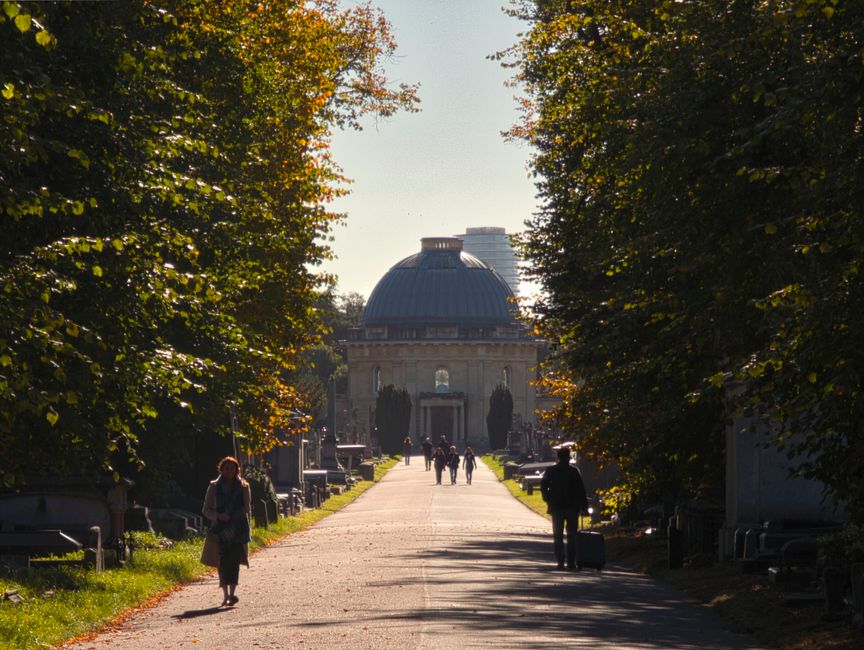
Brompton Cemetery upholstery cleaning guide for heritage homes

If you live in, manage, or restore a heritage home near Brompton Cemetery, upholstery cleaning is not a "quick spruce-up" job. It is the sort of work that needs a careful hand, a proper fabric check, and a realistic plan for old materials that may react badly to heat, moisture, or modern chemicals. This guide walks you through the practical side of Brompton Cemetery upholstery cleaning guide for heritage homes, from spotting fragile fabrics to choosing the safest cleaning method for period interiors.
Heritage homes tend to carry a lot more than dust. They hold decades of use, layered repairs, old fillings, sun fading, and the occasional mystery stain that seems to have been there since time itself. Truth be told, that is exactly why cleaning them well matters. Done properly, you preserve character and avoid damage. Done badly, you can flatten pile, leave tide marks, or worse, set a stain permanently. Let's keep it simple, careful, and useful.
Why Brompton Cemetery upholstery cleaning guide for heritage homes Matters
Heritage homes are often full of upholstered pieces that do more than fill a room. They anchor the look of the house. A Victorian armchair by a sash window, a silk-covered ottoman, a linen sofa with feather cushions - each one contributes to the feel of the property. In a conservation-minded setting, the goal is rarely "make it look brand new". It is usually "make it clean, healthy, and well kept, without stripping away age or charm".
That distinction matters. Older upholstery may use horsehair, wool, coil springs, animal glues, natural latex, or mixed textiles that behave differently from modern furniture. Moisture can migrate into the inner structure. Harsh cleaners can leave chemical residue. Too much agitation can wear down fabric nap or loosen stitching. And with period homes, you sometimes find previous repairs hiding under the surface, which means one careless pass can turn a manageable issue into a proper headache.
Near Brompton Cemetery, many homes and converted buildings also have the usual London pressures: dust from traffic, soot-like grime on soft furnishings, damp-prone rooms, and busy family life. If you have pets, children, rental guests, or regular entertaining, the build-up is even faster. A sensible cleaning routine protects both the furniture and the atmosphere of the home.
Expert summary: heritage upholstery cleaning is about control, not force. The safest outcome usually comes from the least aggressive method that still removes the soil. That sounds obvious, but in practice it is where many people go wrong.
For broader interior maintenance, it can help to pair upholstery care with deep cleaning or, where the rest of the room needs attention too, house cleaning. If a sofa has picked up pet smells or repeated accidents, the problem may need a more targeted approach such as pet stain and odour removal.
How Brompton Cemetery upholstery cleaning guide for heritage homes Works
The process starts before any cleaning product touches the fabric. That is the bit people skip, usually because they are in a rush. But with older pieces, the inspection is half the job.
First, identify the upholstery type. Is it woven wool, cotton, velvet, silk, leather, faux leather, tapestry, or a blend? Does the piece have a maker's label or a care tag? Is the frame solid, or does it wobble slightly? Are there signs of moth damage, water ingress, or old repairs? These small clues tell you how much moisture, heat, and friction the item can tolerate.
Next comes soil assessment. Light dust and dry surface grime are handled differently from body oils, food marks, or pet contamination. In heritage homes, you often find a layered problem: dust embedded in the weave, a faded patch where sunlight has hit for years, and a darker line where people rest their hands. Cleaning needs to respect all three.
Then you choose a method. In simple terms, the main options are:
- Dry cleaning / low-moisture cleaning for delicate, moisture-sensitive, or antique fabrics.
- Hot water extraction for sturdy, modern upholstery or blended fabrics that can handle controlled moisture.
- Foam or encapsulation cleaning when you need limited wetting and a faster drying profile.
- Spot treatment for isolated stains, especially where you want to protect the rest of the fabric.
In practice, a good cleaner will test an inconspicuous area first. That is not optional on older furniture. It helps reveal dye bleed, pile distortion, shrinkage, or a hidden sensitivity. You would be surprised how often a tiny test patch saves a lot of money.
Many heritage interiors also benefit from related services when the fabric care plan is being built out. For example, if the room contains heavy drapery, curtain cleaning can improve the whole space without forcing you to replace period textiles. If the setting includes a formal sitting room or guest suite, sofa cleaning is often the most relevant service page for modern upholstered seating.
Key Benefits and Practical Advantages
Clean upholstery does more than look tidy. In heritage homes, it helps preserve the home's lived-in elegance. And yes, that matters. Visitors notice when a room feels fresh but still authentic. No one wants the house to smell musty on a wet London afternoon, and no one wants a stunning settee to look tired just because it has picked up everyday grime.
- Better fabric longevity: removing abrasive dust and oily residue reduces wear on fibres.
- Improved indoor comfort: cleaner upholstery usually means less stale odour and less surface dust.
- Protection of period character: careful cleaning helps retain original texture, colour depth, and detailing.
- Lower risk of hidden damage: a proper inspection may reveal weak seams, old stains, or moisture issues early.
- More presentable interiors: useful for home viewings, family events, seasonal refreshes, or guest stays.
There is also a practical value in staging the cleaning properly. A heritage home often has a mix of finishes - polished timber, soft furnishings, stone, brass, and maybe some antique rugs. If you clean the upholstery but ignore the rest, the room can feel oddly uneven. A balanced care plan creates a better overall result, which is why homeowners often combine upholstery care with rug cleaning or hard floor cleaning when the whole room needs a reset.
One more thing. Good upholstery care tends to make regular maintenance easier. After a proper clean, vacuuming is more effective, the fabric stays brighter for longer, and stains are less likely to settle deeply. That is the kind of boring win that actually saves time later.
Who This Is For and When It Makes Sense
This guide is for anyone responsible for upholstered furniture in a heritage or character property near Brompton Cemetery, including homeowners, landlords, interior designers, and property managers. It is especially useful if you are dealing with older sofas, armchairs, dining chairs, ottomans, or bespoke soft furnishings that cannot simply be treated like mass-market furniture.
It makes sense to use a careful cleaning approach when:
- the upholstery is antique, vintage, or handmade;
- the fabric has no clear care label;
- the piece uses natural fibres or delicate trims;
- there is light to moderate soiling rather than severe structural damage;
- you want to freshen a room without replacing period furniture;
- you are preparing a home for sale, letting, or seasonal use;
- there are pet odours, food spills, or visible body oils on seating.
If you are moving in or out of a period property, upholstery can be one of the final things people notice. For those situations, a broader service like move-in cleaning or move-out cleaning may make more sense alongside targeted fabric care.
Sometimes the decision is simple: if the piece has sentimental value or architectural character, it is worth cleaning carefully rather than replacing. A slightly faded 1930s armchair with a beautiful shape can often be revived. A cheap modern chair, not so much. There, I said it.
Step-by-Step Guidance
Below is a practical, conservative process for cleaning upholstery in a heritage setting. It is deliberately cautious. That is a good thing.
- Inspect the piece thoroughly. Look for labels, loose stitching, fading, weak piping, woodwork damage, old liquid marks, and signs of previous cleaning attempts.
- Vacuum first. Use a soft upholstery tool and low suction. Work into seams, buttons, and creases to lift dry soil before any moisture is introduced.
- Identify the fabric. Natural fibres and antique textiles usually require a gentler method than synthetic blends. If in doubt, test.
- Patch test a hidden area. Check for colour transfer, shrinkage, pile change, or water marking. Wait for the test area to dry before deciding.
- Choose the lightest effective method. Start with low-moisture or targeted spot treatment before moving to more intensive cleaning.
- Treat stains individually. Blot, do not rub. Use the minimum product needed. Old stains may require several careful passes rather than one aggressive attempt.
- Control moisture. Too much liquid can affect stuffing, springs, and wooden frames. This is where heritage pieces get into trouble fast.
- Allow proper drying. Ventilate the room, avoid placing the piece against a cold wall, and do not use heat too aggressively. Gentle airflow is your friend.
- Brush or reset the pile where needed. Fabrics like velvet may need delicate grooming once dry.
- Review the result. Check for water rings, missed marks, or changes in texture. If needed, repeat only the safest steps.
A realistic example: a family in a Victorian terrace might want to freshen a pair of dining chairs before guests arrive on a Saturday evening. The safest route is often a dry vacuum, a spot test, a gentle clean, and then overnight drying with the windows cracked open a little. It is not glamorous. It works.
Expert Tips for Better Results
To be fair, most upholstery disasters happen because people use the wrong sort of enthusiasm. Here are the habits that make the biggest difference in heritage homes.
- Work from the least risky option upward. Start dry, then move to slightly damp, then to targeted wet cleaning only if necessary.
- Always consider the stuffing and frame. The outer fabric is only half the story.
- Use white cloths for testing and blotting. Coloured cloths can transfer dye and confuse the diagnosis.
- Keep an eye on seams and trims. Decorative braid, fringing, and piping often fail before the main fabric does.
- Document problem areas. A quick phone photo helps you remember where stains were before treatment. Handy, because memory is not always as sharp as we think.
- Prefer measured cleaning sessions over one big assault. In heritage properties, slower is often safer and cleaner in the end.
Another useful habit is to coordinate upholstery care with the whole room. If the curtains are dusty, the room will still feel dull. If the carpet is grimy, the sofa may look less clean by comparison. A more rounded approach - maybe pairing the job with carpet cleaning or, for a more intensive refresh, steam carpet cleaning - often gives a better visual result.
If the property gets regular visitors, short-term guests, or event use, the cadence matters too. In those cases, a standing regular cleaning arrangement can keep the soft furnishings from ever reaching the "properly bad" stage. That is the sweet spot, honestly.
Common Mistakes to Avoid
Let's face it: most upholstery damage is accidental. People mean well. They really do. But the wrong product, too much water, or a bit of overconfidence can do real harm.
- Scrubbing stains hard. This pushes soil deeper and can rough up delicate fibres.
- Using too much water. Saturation can cause water marks, frame swelling, or slow drying that leads to odour.
- Skipping the patch test. A small test would have saved many a sofa.
- Assuming all fabrics behave the same. They absolutely do not.
- Using strong bleach or multipurpose sprays. These can strip colour and leave residue.
- Cleaning only the visible stain. Sometimes the whole surrounding area needs blended treatment to avoid rings.
- Drying too fast with harsh heat. Heat can set some stains and distort fibres.
- Ignoring the smell of damp. If a piece smells "off" after cleaning, it may not be dry deep inside.
There is another one people overlook: not checking the room environment. A cold, poorly ventilated room in London can slow drying dramatically. If the home has condensation or damp patches, upholstery may take longer to settle, which is why room conditions matter just as much as the cleaning step itself.
Tools, Resources and Recommendations
You do not need a van full of equipment to care for heritage upholstery, but you do need the right basics. Simple tools, used carefully, are usually best.
| Tool / resource | Why it helps | Best use case |
|---|---|---|
| Soft upholstery vacuum attachment | Lifts dry dust without roughening the fabric | Routine maintenance and prep |
| White microfibre cloths | Useful for blotting and spotting dye transfer | Testing and stain treatment |
| Fabric-safe spot cleaner | Targets localised stains more precisely | Food marks, hand oils, small spills |
| Gentle brush | Resets pile and removes loosened debris | Velvet, wool blends, textured weaves |
| Portable extraction or low-moisture system | Supports controlled cleaning on suitable fabrics | More robust upholstery and deeper soil |
| Drying support with ventilation | Helps prevent lingering moisture and odour | Any wet or semi-wet method |
For homeowners who want a more complete reset, it can be worth looking at the wider interior service mix. Upholstery cleaning is the core service for furniture care, but many properties also benefit from stain removal where one or two marks need extra attention. In homes with a more expansive schedule, domestic cleaning can keep the whole property under control between deeper upholstery visits.
And if you are comparing options or trying to budget properly, you can always review pricing and quotes before deciding how much of the work should be bundled together. For service confidence, it is also sensible to check a provider's insurance and safety information, especially in a property filled with older finishes.
Law, Compliance, Standards and Best Practice
For upholstery cleaning in heritage homes, the main compliance issue is usually not a dramatic legal one. It is about doing no harm, using safe methods, and respecting the property. In the UK, responsible cleaners generally follow good practice around risk assessment, safe chemical handling, ventilation, and clear communication with the client about fabric sensitivity and potential limitations.
If a property is listed or falls within a conservation-sensitive context, owners and managers should be cautious about any work that could affect original interiors. Upholstery itself is often replaceable or restorable, but the surrounding fixtures, finishes, and decorative elements may not be. So the practical best practice is simple: choose reversible, low-risk cleaning methods and keep records of what was done.
From a service perspective, a trustworthy cleaner should be clear about safety, liability, and what happens if a fabric is already weakened. That is why reading policy pages such as health and safety policy and terms and conditions is not just admin. It tells you how carefully a company works and how it handles expectations. If sustainability matters to you, the approach outlined in recycling and sustainability can also be a helpful sign that waste and product use are being considered properly.
One practical note: if a cleaner suggests a very aggressive method for a fragile item without discussing fabric type, drying time, or testing, that is probably your cue to slow things down. You only get one original set of fibres. Well, technically two if you count the mistakes, but let's not.
Options, Methods, or Comparison Table
Different upholstery needs different treatment. Here is a straightforward comparison to help you think through the choices.
| Method | Best for | Pros | Watch-outs |
|---|---|---|---|
| Dry / low-moisture cleaning | Antiques, delicate fabrics, moisture-sensitive pieces | Lower risk, quicker drying | May not remove deep staining on its own |
| Hot water extraction | Robust synthetics and blended fabrics | Deep soil removal, good for heavy use | Too much moisture can harm heritage pieces |
| Foam cleaning | General maintenance on moderately delicate fabrics | Balanced cleaning with limited wetting | Needs careful residue removal |
| Spot treatment only | Small isolated marks | Very targeted, minimally invasive | Can leave uneven appearance if overused |
In a heritage home, the best method is not the strongest one. It is the one that solves the problem without creating a new one. That sounds almost too simple, but it is the real rule.
Case Study or Real-World Example
A typical situation might look like this: a homeowner in a period terrace near Brompton Cemetery has a pair of antique armchairs in a front sitting room. The fabric is a faded woven material, with surface dust, a few dark patches around the arms, and a light musty smell that has become noticeable after a damp spell in January.
The sensible approach would be to avoid a full wet clean straight away. First, the chairs would be inspected for loose seams and weak spots, then vacuumed using a soft tool. A hidden patch would be tested with a very small amount of cleaning solution. Because the fabric is old and the smell suggests moisture sensitivity, the cleaner might use a low-moisture method and then ventilate the room carefully. The arm areas would be treated with a minimal amount of spot cleaner, not soaked. Once dry, the pile would be brushed back into shape.
The result? Not "factory fresh" - and that would be the wrong goal anyway - but cleaner, brighter, and more comfortable to live with. The room would still feel like a heritage home, just less tired. That is usually what people want when they ask for upholstery help in this kind of property.
Sometimes the same property also needs wider work after decorating, moving furniture, or light renovation. In those moments, pairing upholstery care with after builders cleaning can stop dust from undoing all your good work in one afternoon.
Practical Checklist
Use this quick checklist before you clean any upholstered item in a heritage home.
- Check the fabric type and any care label.
- Inspect for old repairs, weak seams, or frame movement.
- Vacuum the piece gently before wet cleaning.
- Test a hidden area first.
- Choose the least aggressive method that will still work.
- Use minimal moisture and blot, do not rub.
- Allow full drying with good ventilation.
- Brush or reset texture where needed.
- Check for water marks, odour, and colour changes after drying.
- Document any issues that need a specialist follow-up.
Quick reminder: if the piece is especially valuable, fragile, or historically important, pause and think twice before trying anything clever. Clean it gently. Then gently again.
If you want the job handled with proper care, it helps to work with a provider that already understands homes, furnishings, and the realities of busy London properties. You can explore about us to learn more about the team approach, or go straight to contact us if you are ready to discuss the furniture and the room conditions.
Get a free quote today and see how much you can save.
Conclusion
Brompton Cemetery upholstery cleaning for heritage homes is really about respect: respect for the fabric, the furniture, and the home itself. The best results come from careful inspection, gentle methods, sensible drying, and a willingness to leave well enough alone when a piece is too delicate for aggressive treatment.
If you remember nothing else, remember this: heritage upholstery does not need to be blasted clean to be well cared for. It needs patience, judgement, and the right amount of restraint. That is what keeps the room feeling authentic rather than overworked. And honestly, that subtle, lived-in elegance is often the whole point.
When done properly, the result is a home that feels fresher, calmer, and still properly itself. That's a good outcome. A very good one.
Frequently Asked Questions
What makes upholstery cleaning different in heritage homes?
Heritage homes often contain older fabrics, delicate trims, and furniture structures that do not respond well to heavy moisture or strong chemicals. The process is more cautious and fabric-specific than standard upholstery cleaning.
Can antique upholstery be steam cleaned?
Sometimes, but only if the fabric and internal construction can tolerate it. Many antique pieces are better suited to low-moisture or dry methods. A patch test is essential before committing to steam cleaning.
How often should upholstery be cleaned in a period property?
It depends on use, pets, sunlight, and room conditions. In many homes, light maintenance should happen regularly, while a deeper professional clean may be needed less often. High-use seating may need more frequent attention.
Will cleaning remove old stains completely?
Not always. Some stains have already oxidised, set into the fibres, or affected the dye itself. A careful clean can improve appearance significantly, but complete removal is not guaranteed.
What should I do before a professional cleaner arrives?
Vacuum the furniture lightly if possible, clear the surrounding area, and point out any known stains, weak seams, or previous repairs. It also helps to mention if the room is damp, cold, or poorly ventilated.
Is it safe to clean upholstery near antique wood finishes?
Yes, if moisture is controlled and the cleaner avoids overspray or runoff. In heritage rooms, protecting surrounding woodwork, inlays, and floor finishes is just as important as treating the fabric.
What are the signs that a piece should not be wet cleaned?
Fading, water sensitivity, loose fibres, fragile stitching, weak padding, or a lack of care information are all warning signs. If the piece seems delicate or historically important, low-moisture methods are usually safer.
Can upholstery cleaning help with odours from pets or damp?
Yes, to a point. Surface odours can often be reduced or removed, especially with targeted treatments such as pet stain and odour removal. Deep damp smells may also indicate an underlying moisture issue that needs attention.
How long does upholstery take to dry?
Drying time depends on the fabric, the cleaning method, room ventilation, and ambient temperature. Low-moisture methods dry faster, while wetter methods need more time and careful airflow. In a cool London home, drying can take longer than expected.
Should I clean the sofa myself or hire a professional?
Light dusting and gentle vacuuming are fine for most people. But if the piece is antique, expensive, stained, odorous, or made from delicate fabric, a professional with heritage experience is usually the safer option.
Can upholstery cleaning be combined with other home cleaning services?
Absolutely. Many people combine it with one-off cleaning, domestic cleaning, or related fabric and floor services to refresh the whole room in one visit.
How do I choose a trustworthy cleaning provider?
Look for clear explanations of method, testing, drying, and safety. It also helps if the company is transparent about insurance and safety, pricing, and service terms. A careful provider will not rush the assessment.